Barnet Council Permit Guide for Arkley Moving Vans
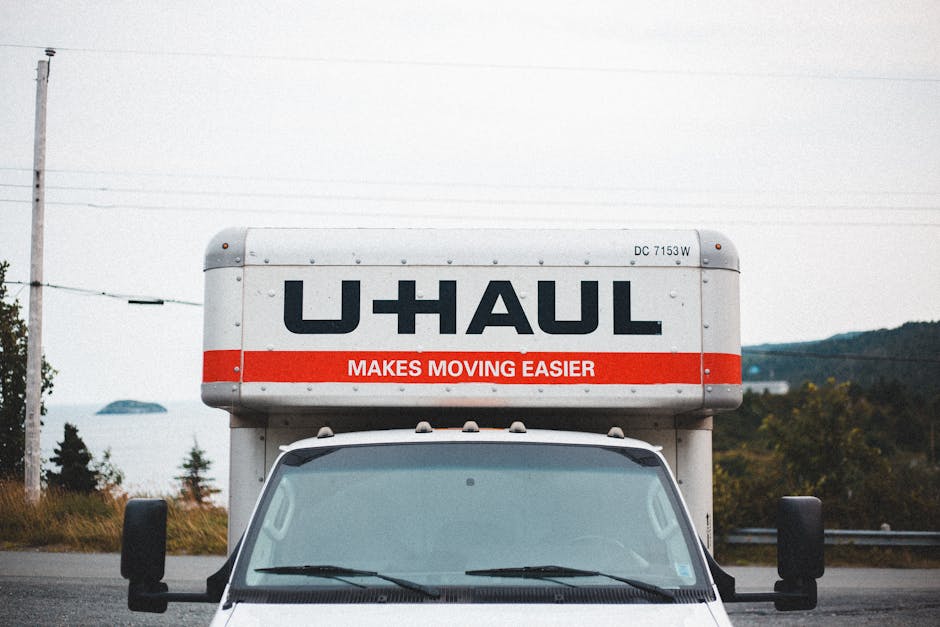
If you are planning a move in Arkley, the parking side of the job can be just as important as the lifting side. A van that cannot stop close to the property can turn a tidy, well-planned move into a sweaty, stop-start scramble. That is exactly why the Barnet Council Permit Guide for Arkley Moving Vans matters: it helps you understand when a permit may be needed, what to check before moving day, and how to avoid the sort of delays that make a simple house move feel oddly complicated.
In this guide, you will get a clear, practical breakdown of how moving van permits usually work in Barnet, what Arkley residents should think about first, and how to plan a smoother move around narrow roads, busy periods, and awkward loading spots. We will also cover common mistakes, compliance basics, and a realistic checklist you can use before the van turns up. No jargon. No fluff. Just the stuff that helps.
Why Barnet Council Permit Guide for Arkley Moving Vans Matters
On paper, a moving day sounds straightforward: arrive, park, load, go. In real life, especially around Arkley, parking is often the bit that decides whether the day feels calm or chaotic. Some streets are narrow, some driveways are tight, and some homes simply do not have enough space for a removal van to sit safely without affecting traffic or neighbours.
The permit question matters because parking restrictions are not something you want to guess your way through. If a van parks in the wrong place, even briefly, you can end up with fines, warnings, or a frustrating delay while the driver circles the block. That affects everyone: the homeowner, the moving crew, nearby residents, and even the schedule for the rest of the day.
There is also a broader practical point here. When access is limited, the whole move becomes more physically demanding. Lifts get longer, furniture has to be carried further, and the chance of damage goes up. If you have ever tried to manoeuvre a sofa down a tight lane while keeping an eye on a parked car and a pedestrian coming the other way, you will know it is not the sort of thing you want to improvise. For moves involving awkward access, articles like Barnet Road access advice and narrow driveway tips for Arkley lanes are especially useful alongside permit planning.
Expert summary: If your Arkley move depends on stopping a van near the property, the permit question should be checked early, not left to the morning of the move. That one habit saves a surprising amount of stress.
How Barnet Council Permit Guide for Arkley Moving Vans Works
At a practical level, moving van permits are about allowing a vehicle to stop, load, or unload in a place where parking controls, local restrictions, or road conditions would otherwise make that difficult. In Barnet, the exact process can vary depending on location, the type of restriction in place, the size of the vehicle, and whether the van needs to wait or simply load for a short period.
For Arkley residents, the first step is usually to work out whether the van can legally and safely stop outside the property, or whether you need to plan around controlled parking, yellow lines, width restrictions, or limited access. If the answer is not obvious, you should assume a permit or some other parking arrangement may be needed. Truth be told, that assumption is usually safer than hoping for the best.
The next thing to understand is timing. Parking permissions, loading allowances, and moving-day arrangements often depend on whether the vehicle is staying for a few minutes or several hours. A driver may need room to leave ramps out, open doors, or stage items close to the van. That sounds minor until you are doing it with a wardrobe in one hand and a tight kerb in front of you.
It also helps to think in layers:
- Location layer: Is the street restricted, narrow, or busy?
- Vehicle layer: Is it a small van, long wheelbase van, or larger removal vehicle?
- Access layer: Can the crew load directly, or will they need extra carrying distance?
- Timing layer: Is the move during school-run hours, commuter peaks, or a quieter window?
- Practical layer: Will neighbours, bins, roadworks, or temporary obstacles affect the plan?
That is why local access planning and permit planning go together. A permit alone does not solve everything; it simply gives you the legal and logistical breathing room to move properly. If you want more on the access side, best times to beat parking in Arkley is a smart companion read.
Key Benefits and Practical Advantages
A good permit plan does more than avoid parking trouble. It improves the quality of the move itself. That sounds obvious, but people often notice it only after the fact.
Here are the biggest advantages:
- Less time wasted: The van can stop closer to the property, so loading is quicker.
- Lower physical strain: Shorter carrying distances mean less fatigue, fewer awkward turns, and less chance of dropping something.
- Reduced damage risk: Furniture is moved fewer times and handled less roughly.
- Better schedule control: Drivers and movers can stay on plan instead of hunting for parking.
- Less neighbour friction: Nobody enjoys blocking a street in a way that causes tension. Better planning keeps things civil.
- Safer working conditions: The team can focus on safe lifting and manoeuvring instead of making rushed decisions at the kerb.
There is also a subtle but important benefit: permits and parking plans often make the whole move feel calmer. Not perfect. Just calmer. When the van has a sensible place to stop, everyone can think a bit more clearly, and moving day stops feeling like a race against the clock.
If your move includes bulky or fragile items, the gains are even more obvious. For example, pianos, mattresses, or large sofas are much easier to handle when the team does not have to carry them an extra fifty metres down the road. That is where specialist advice such as piano removals support and furniture removals in Arkley can become genuinely useful rather than just nice to have.
Who This Is For and When It Makes Sense
This guide is for anyone moving in or out of Arkley who expects a van to park on or near the street. That includes homeowners, renters, landlords, students, and small businesses. It is also relevant if you are helping a family member move and trying to keep the day organised without turning into the unofficial traffic marshal for the street. Happens more than you would think.
You are especially likely to need permit awareness if:
- your road has controlled parking or restrictions
- the property sits on a narrow lane or close corner
- there is no private driveway or the driveway is too tight for a van
- the move involves multiple loads and a longer stop time
- you are moving during busy weekday hours
- the van may need to wait while items are brought downstairs or out of storage
It also makes sense if you are comparing moving options. A smaller man-and-van setup may work well for a quick flat move, but if access is awkward or the property has parking constraints, you might need a more detailed parking plan. In that case, a service like man and van in Arkley or a broader removal services package may be a better fit than a last-minute arrangement.
Students moving into shared houses, families relocating across Barnet, and office teams shifting equipment all face the same basic problem: where does the vehicle stop, and for how long? Different move, same headache.
Step-by-Step Guidance
Here is a practical way to handle parking and permit planning without overcomplicating it.
-
Check the street and property access first. Stand outside at the time of day you expect to move. Look for yellow lines, narrow bends, driveway width, nearby junctions, and anything that might stop a van from sitting safely. This five-minute walk is worth more than ten assumptions.
-
Estimate the size and duration of the vehicle stop. A small load from a flat might need only a short stop. A full house move with stairs, wrapped furniture, and boxes stacked in the hall may need much longer. Do not guess too low.
-
Work out whether loading rules apply. Some restrictions are stricter than people realise, even for loading and unloading. The distinction between a quick drop-off and a proper moving slot matters. If in doubt, treat it as a serious parking question, not a casual one.
-
Build in a buffer for timing. Moving never goes exactly to plan. A mattress catches on a landing, someone cannot find the kettle box, the lift takes longer than expected. Give yourself breathing room, or you will end up rushing at the worst possible moment.
-
Coordinate the van and the property access together. Parking may be easy, but carrying distances might still be awkward. If the van can only stop two streets away, think about trolleys, extra labour, or staged loading. Planning the access route matters just as much as the parking spot itself.
-
Confirm the plan before moving day. This is the bit people skip. Then they ring around at 7:30 in the morning, half-dressed, with boxes in the hallway. Avoid that. A quick confirmation keeps everyone on the same page.
And if the move involves fragile or unusually heavy items, build those into the permit plan as well. A piano or big wardrobe needs more time and more room. For that kind of move, a specialist service can make life much easier; house removals in Arkley and the right removal van are worth considering when access is tight.
Expert Tips for Better Results
After enough moving days, certain habits stand out. The good ones save time. The bad ones, frankly, tend to repeat themselves.
First tip: plan loading around the heaviest items. If the big items are ready to go first, the van can be positioned and used efficiently. Leaving the heaviest object for last often creates a messy final half-hour where everyone is tired.
Second tip: think about street noise and neighbour rhythms. A van stopping on a quiet morning is one thing; arriving when the street is full of school traffic or late-afternoon deliveries is another. You do not need perfection, just a sensible window. That little bit of awareness helps a lot.
Third tip: keep documents and contact details in one place. If someone needs to check the plan, you should not be digging through a lunch bag, a coat pocket, and a random box labelled "misc." We have all been there. It is not glamorous.
Fourth tip: use the move itself to simplify. If you are already arranging parking access, it is a good time to declutter, sort, and decide what really needs to come with you. Packing lighter can reduce van time and make permit planning easier. The article on decluttering early is worth a look for that reason.
Fifth tip: do not underestimate protective packing. If items can be loaded quickly and safely, the parking arrangement becomes more valuable because the team can actually use the time well. A good packing plan and a smart parking plan work together. You can pair that with packing and boxes in Arkley and packing easier for a house move.
And one more, because it matters: if your road is especially tight, ask whether the van needs to approach from one direction rather than another. In some parts of Arkley, that tiny routing choice can make the difference between a smooth entry and a very awkward three-point turn.
Common Mistakes to Avoid
A lot of permit problems are not really permit problems. They are planning problems. The permit just exposes them.
- Leaving it too late. The most common mistake is checking parking only on the day before or the day of the move.
- Assuming a loading space is automatically fine. Sometimes it is not. Rules can be stricter than expected.
- Forgetting about road width. A vehicle may be allowed to stop, but that does not mean it can do so without blocking access or creating a hazard.
- Ignoring nearby property access. A van parked legally can still make stair carries, shared entrances, or turning spaces awkward.
- Not matching the van size to the street. Bigger is not always better. In fact, a smaller vehicle can be the smarter choice on a difficult road.
- Forgetting weather and daylight. Rain, low light, and slippery pavements can make loading slower and more careful.
One of the nastier surprises is discovering that the van can park, but not where the crew needs it to be for safe loading. That is why access planning should be part of the same conversation as the permit itself. If you are moving large pieces through tight spaces, moving large furniture down narrow lanes is a helpful reminder of why those details matter.
Tools, Resources and Recommendations
You do not need a suitcase full of specialist kit to get this right, but a few basic tools make the process much smoother.
- Measuring tape: Useful for checking whether a vehicle can fit comfortably near the property.
- Phone notes or checklist app: Handy for keeping parking notes, timing, and contact numbers together.
- Vehicle dimensions: Know the approximate size of the van before you finalise the access plan.
- Protective covers and blankets: Reduce damage risk if loading takes a little longer than expected.
- Trolley or sack barrow: Very useful if the van cannot stop directly outside.
- Boxes with clear labels: Makes loading and unloading quicker, especially when parking time is limited.
On the planning side, it is sensible to work with a moving team that is comfortable with local access challenges. If you are comparing options, pages like removals in Arkley, man with a van in Arkley, and the services overview can help you understand what level of support fits the move. For timing-sensitive jobs, same-day removals in Arkley may also be relevant, but only if the parking side is manageable.
If you are trying to keep costs under control, getting a quote that reflects realistic access conditions is better than underestimating and paying for delays later. You can also review pricing and quotes alongside your parking plan so the expectations are aligned from the start.
Law, Compliance, Standards, or Best Practice
Because this topic touches parking, road use, and moving vehicles on public streets, it is worth being careful rather than casual. The exact permit requirements can vary with location, vehicle type, and the restrictions in force at the time. So the safe approach is to treat parking and loading restrictions seriously, and to confirm arrangements in advance where possible.
In the UK, good moving practice also means working safely around pedestrians, parked cars, driveways, and shared access areas. That sounds simple, but on a busy day people sometimes forget how quickly a pavement can become obstructed. Best practice is to keep access routes as clear as you reasonably can, avoid blocking emergency or resident access, and use equipment that reduces manual handling strain.
From a safety standpoint, lifting and loading should follow sensible manual handling habits: keep loads manageable, use team lifts when needed, and avoid awkward twisting. If you want a deeper practical refresher, kinetic lifting and solo lifting tips are useful reads for understanding movement technique, even if you plan to let professionals do the heavy work.
Insurance and liability are also worth a calm, plain-English check. If a van has to park in a tricky location, the risks shift slightly: scuffs, slips, delayed loading, and accidental knocks become more likely. Reviewing insurance and safety guidance before the move is just sensible, not paranoid.
Options, Methods, or Comparison Table
There is more than one way to handle Arkley moving access. The right method depends on the street, the load, and how much time you have. Here is a simple comparison that may help.
| Approach | Best for | Pros | Watch-outs |
|---|---|---|---|
| Direct street-side loading | Short moves, good access, lighter loads | Fast, simple, less carrying | Depends on parking availability and road conditions |
| Permit-assisted parking | Controlled streets and longer stops | More certainty, easier scheduling | Needs early planning and correct setup |
| Distant parking with trolley carry | Narrow lanes or restricted roads | Works when close parking is not possible | Slower, more labour, higher fatigue |
| Smaller van strategy | Tight access, flats, awkward turns | Easier positioning, more flexible | May require extra trips if the load is large |
There is no universal winner here. A bigger van is not always the answer, and a smaller van is not always enough. The best choice is the one that fits the road, the move size, and the parking reality. A bit boring, maybe. But boring is good when you are moving house.
Case Study or Real-World Example
A typical Arkley scenario might look like this. A family is moving from a semi-detached house on a fairly narrow residential road. The property has no usable driveway, and the nearest wide section of road is a short walk away. On top of that, the move includes a sofa, a double mattress, a wardrobe, and several boxes of books. Nothing exotic, but enough to cause trouble if the van plan is weak.
Instead of waiting until moving morning, the family checks the street conditions a few days earlier. They notice that one side of the road gets busier after 8 a.m., and that a direct stop outside the house would likely block access. So they adjust the timing, choose a van size that can sit more neatly near the property, and plan the heaviest items to go first. They also clear the hallway the night before and label the boxes so loading is quicker.
The result is not magical. The van still has to reverse carefully. Someone still says, "Where is the tape?" at one point. But the whole day runs with far less friction, because the parking and access questions were solved early. That is the real lesson. Most moving-day stress is not dramatic; it is logistical. Fix the logistics and the stress drops right down.
For a similar kind of practical preparation, house moving without the stress is a good companion piece, especially if you are trying to coordinate parking, packing, and timing all at once.
Practical Checklist
Use this checklist in the days before your move. It is simple, but that is the point.
- Confirm whether the property has usable driveway space or only street access.
- Check for parking restrictions, yellow lines, tight bends, or access pinch points.
- Estimate how long the van will need to stop.
- Match the van size to the street and the load.
- Keep a backup plan if the first parking option is unavailable.
- Label boxes so loading and unloading are quicker.
- Protect floors, doors, and fragile furniture before the move starts.
- Schedule heavier items first so the van is used efficiently.
- Allow extra time for stairs, narrow hallways, or shared entrances.
- Review safety and insurance arrangements before moving day.
- Keep your moving crew updated if anything about the access plan changes.
If your move involves cleaning out storage, preparing appliances, or making space before the van arrives, it can help to think a step ahead. The guide to pre-move cleanup and the article on protecting a freezer when not in use are useful for the "what do we do with this now?" stage that always appears at the worst moment.
Get a free quote today and see how much you can save.
Conclusion
The Barnet Council Permit Guide for Arkley Moving Vans is really about one thing: making sure the vehicle can do its job without causing avoidable problems. When you get the parking right, everything else becomes easier. Loading is safer, timings are steadier, and the move feels much more under control. Not perfect, maybe. But better. Much better.
For Arkley residents, that means thinking about the road, the vehicle, the move size, and the time of day as one joined-up plan rather than separate tasks. A few careful checks before moving day can save you from a lot of awkward improvising on the pavement with a sofa in one hand and a half-open box in the other. And honestly, nobody needs that sort of drama.
Take the time to plan it well, and you will give yourself a calmer start in the new place. That's usually the bit people remember most.
Frequently Asked Questions
Do I always need a permit for a moving van in Arkley?
Not always. It depends on where the van needs to stop, what restrictions are in place, how long it will remain there, and whether loading or unloading is covered by local parking rules. The safest approach is to check early rather than assume street parking will be fine.
What is the difference between loading and parking?
Loading usually means the vehicle is stopped for the purpose of moving items in or out, while parking means it is left stationary for a broader period. That difference can matter a lot in restricted streets, so it is worth treating them as separate questions.
How far in advance should I check parking arrangements?
Ideally, a few days before the move. If your street is tight or controlled, earlier is better. Leaving it until the morning of the move is where people get caught out, and it tends to snowball.
What if my road is too narrow for a large van?
Then you may need to use a smaller vehicle, a different stopping point, or a carry plan with trolleys and extra labour. In some cases, a larger van simply is not the right tool for the road. That is not a failure; it is just smart planning.
Can a removals team help with parking and access planning?
Yes, a good team should be able to discuss van size, likely access issues, loading time, and whether the move is suited to street-side loading or a more flexible setup. For local support, see the available removal companies in Arkley and related service pages.
What happens if the permit or parking plan is wrong on the day?
You may face delays, additional carrying distance, or the need to reposition the van. In the worst case, the move becomes slower and more stressful, and the schedule starts slipping. That is why the permit side should be checked before the first box is lifted.
Are weekend moves easier for parking in Arkley?
Sometimes, but not always. Weekend traffic can be lighter in some areas, yet parking restrictions still apply and some streets can be busy for other reasons. Timing helps, but it does not replace checking the rules.
Should I pick a smaller van to avoid permit issues?
Not automatically. A smaller van may be easier to position, but if it cannot carry the full load efficiently, you may need multiple trips. The best choice balances access, load size, and timing rather than chasing the smallest vehicle available.
Do I need to think about safety as well as parking?
Absolutely. Parking only solves part of the problem. You also need to think about manual handling, clear walkways, weather, and how the van is positioned relative to doors and steps. If you want a fuller look at this side, the health and safety policy page is relevant.
What should I do if I am moving heavy or fragile items?
Plan for extra time and extra care. Items like pianos, sofas, mattresses, and appliances should be loaded with the access route in mind, not just the van space. Specialist advice on piano moving and moving beds and mattresses can help you prepare properly.
How do I make the whole move less stressful?
Keep the process simple: check access, declutter early, pack clearly, and choose the right vehicle size. Then give yourself a time buffer. That combination handles most of the pressure before it starts. A calm plan beats a rushed one almost every time.