Man With Van in Arkley

Our man with van service in Arkley is set up for straightforward removals, item transport and careful loading when you need a practical moving option without unnecessary complexity. It suits customers moving a few rooms of furniture, collecting purchases, or shifting household goods between addresses in a planned and orderly way. The service focuses on safe handling, sensible vehicle use and clear communication, so the work stays efficient from the first enquiry through to the last item off the van.
We handle a range of moving tasks under the same service, including home moves, furniture pick-up and smaller commercial moves where a full removals operation is not required. You can use this page to understand the main options, see how different job types fit together, and decide what you need before asking for a quotation. For a more detailed overview of moving help, see our removal services, or read more about our approach to man with van work if you are comparing the available options.
If you already know roughly what needs moving, it helps to list the larger items, the access at each address and the date you have in mind. If you need assistance choosing the most suitable type of move, send the basics first and build from there. Start with the items, the addresses and the timing, then request your quotation when you are ready.
Home Moves and Household Transport
Household moves often need more than lifting strength alone. They need a careful sequence: assess the load, protect furniture, choose a suitable vehicle and place everything in the right order for unloading. Our home moves cover the practical side of that process for smaller households, partial moves and local transitions where a van-based service is the right fit. We work with beds, tables, chairs, boxes, white goods and mixed domestic items where safe loading matters as much as the journey itself.
For larger domestic jobs, the same service can still be useful when the task is broken into manageable parts. That might mean moving selected rooms first, moving bulky items separately, or collecting furniture from storage before the rest of the household is ready. You can also use the service for a house move where access is tight and a smaller vehicle makes loading more practical. Related pages such as home moves and house removals give a broader picture of domestic moving support.
Good preparation makes the day simpler for everyone. A short inventory, honest details about stair access and any particularly awkward items all help shape the right plan. Keep fragile pieces visible, avoid overfilled boxes, and make sure there is a clear route from the property to the vehicle. Clear access, accurate item details and realistic timing are the basics that help a moving job run smoothly.
Furniture Pick-Up and Single-Item Moves

Furniture pick-up is a useful part of the service when you are buying second-hand pieces, collecting an item from a retailer or moving a bulky object that will not fit in a car. These jobs may involve wardrobes, sofas, tables, beds, desks or other large items that need two-person handling and a vehicle with enough space to keep them secure. We aim to keep the process tidy and practical, with an emphasis on loading that protects both the item and the surrounding property.
Single-item moves are often underestimated because one awkward object can be harder to manage than a box of smaller goods. A heavy cabinet, a long worktop or a fragile appliance may need planning before it is moved through hallways or staircases. For this type of work, the value lies in matching the handling to the item rather than treating everything as a standard box move. The service also complements our furniture pick-up page for customers who want a dedicated collection option.
When you ask for a quotation, it is useful to mention whether the item needs dismantling, whether there are tight turns, and whether you need help from inside the property or only curb-side collection. We can then quote on the basis of the task itself rather than guessing. If the item is delicate, say so early; it is easier to plan around fragile surfaces than to improvise on the day.
Commercial Moves and Office Relocation Support
Businesses often need a moving service that is compact, organised and able to fit around working hours. Our commercial moves are suitable for office furniture, archive boxes, retail fixtures and other business items that need to be transferred with care. The focus is on keeping essential items grouped, reducing disruption and making sure that the load is arranged logically for delivery and unloading. A smaller van service can be particularly useful where the move is phased or where only part of a workplace is changing location.
Office relocation work can include desks, chairs, filing cabinets, IT equipment and stock transfers, depending on the size of the move and how the items are packed. We do not assume that every business relocation is large or complex; sometimes the task is simply moving a few essential items between sites. For a closer look at this type of work, see commercial moves and office relocation services, which sit alongside the wider removals offer.
It helps to separate essential items from general furniture before moving day and to identify anything that requires extra handling. Equipment with cables, drawers or glass components should be noted in advance, and any building access restrictions should be explained clearly. If the move is linked to trading hours, plan it early enough to allow for handover, set-up and the unloading sequence without rushing the process.
Packing, Loading and Careful Handling
Packing is not just about boxes; it is about protecting the load so it travels well and arrives in a usable state. Our packing and unpacking services can support customers who need help organising items before collection or settling things once they have been delivered. This is especially useful where a van move includes mixed objects such as kitchenware, books, electronics and soft furnishings that need to be kept stable and separated during transit. The aim is simple: reduce movement, reduce risk and make unloading easier.
Loading and unloading are equally important. A well-packed vehicle should use space sensibly, with heavier items positioned to help stability and lighter items protected from pressure. We also pay attention to awkward shapes, because a van move is often limited less by weight than by the way items fit together. If you want a more detailed overview of practical support, the packing and unpacking services page sits naturally beside the moving pages and explains this work in a more focused way.
For the best result, group items by room or by destination, remove loose contents from drawers where appropriate and tell us in advance about anything fragile or awkward. That does not mean everything must be perfect before we arrive, only that the basic shape of the job should be clear. If you are unsure what needs dismantling or wrapping, note the item names and ask for guidance when requesting your quotation.
Choosing the Right Van-Based Moving Option

Different moves need different levels of support, and that is why a van-based service can be adapted to a wide range of jobs. Some customers only need transport for a few bulky items, while others need a fuller moving hand with lifting, route planning and careful positioning at the destination. Our moving van approach is designed to stay flexible without becoming vague: the work is still based on the actual load, the journey distance and the handling needed at each end.
If you are comparing options, it may help to look at related pages such as moving van, removal van and moving truck. These pages reflect the wider range of vehicle-based moving support available on the site, and they can help you decide whether a smaller, more nimble service is sufficient or whether your load calls for something different. The right choice is usually the one that matches the actual job, not the biggest vehicle available.
When planning the move, think about access at both ends, the amount of time needed for loading and whether the items can be carried safely by hand. A narrow stairwell, a long walk from the property to the kerb or multiple stops on one journey can all influence the plan. It is better to describe those details plainly than to oversimplify them. That gives a more accurate quotation and a more workable schedule.
Removal Services for Mixed Loads
Some customers need a broader removal service because the job contains a mix of boxes, furniture and special items rather than a single category of load. Our removal services page sits alongside this man with van offering because many moving jobs overlap: a small household move may look like a van hire job at first, but still need proper handling and loading support. We therefore treat mixed loads with the same practical approach, making sure the order of loading suits the contents and the destination.
Where appropriate, a move can include items from storage, garage contents, spare room furniture or selected office equipment. This is one reason our removals pages are organised by task as well as by vehicle. You can also view removals and movers for a wider understanding of the available support, especially if you are deciding how much help to request and how much can be moved in one visit.
For a mixed load, it is worth identifying any items that must go first or last, and whether there are objects that should not be stacked. That may include fragile mirrors, high-value electronics or bulky furniture with vulnerable edges. A useful quotation comes from clear information, so note anything that affects the loading order or the space required in the van. Well-described loads are easier to price accurately.
About Arkley
Arkley is a village and suburban area in the London Borough of Barnet, positioned on the north-western edge of Greater London near the boundary with Hertfordshire. Its name is often associated with the open, elevated landscape of Arkley Common and the surrounding lanes, which give the area a semi-rural character despite its London setting. Historically, Arkley grew as a small settlement with a distinct identity rather than as a dense urban centre, and that shape still influences how the place is read today: scattered development, pockets of greenery and a quieter atmosphere than many parts of the capital. The area sits close to Barnet Gate and High Barnet, so it is linked to the wider parish and borough history of north London, but it retains a character of its own. The local landscape includes old field patterns, residential roads and areas of woodland edge that reflect the transition between the city and the countryside. Nearby places such as Barnet, Totteridge and Hadley Wood add to the sense that Arkley belongs to a broader north-west London corridor with layered settlement patterns. The combination of open space, older road layouts and low-rise housing gives the area a distinctive feel that is recognisably different from central Barnet and the more intensely built-up districts further south.
Pricing, Access and Practical Planning

Quotation requests are easier to handle when the job is described in practical terms. The most useful details are usually the type and number of items, the collection and delivery points, the access conditions and any time constraints. If there are stairs, lift restrictions, parking considerations or long carrying distances, include them from the outset. Those factors can influence how long the move takes and what sort of vehicle or handling is sensible. For many customers, that is the difference between a rough estimate and a more reliable quotation.
Our pricing and quotes page sits alongside this service information because moving work is often shaped by the exact combination of objects and access rather than by a fixed template. See pricing and quotes if you want a fuller explanation of how quotations are approached. The aim is not to turn the enquiry into a long form exercise; it is to make sure the plan matches the move and the quote matches the plan.
If you are preparing a request, a brief list is usually enough to begin with: what needs moving, where it is going, and whether help is needed with lifting, packing or dismantling. Send the essentials first and add more detail only where it affects the job. That keeps the conversation focused and makes it easier to compare options without unnecessary back-and-forth.
Insurance, Safety and Responsible Moving
Safe moving depends on more than strength. It depends on the way items are lifted, secured and placed in the vehicle. Our insurance and safety information sits alongside the service pages because customers should understand how we approach practical risk: careful handling, sensible loading and attention to the working environment. For mixed loads, fragile pieces and heavier furniture, the key is consistency rather than rushing. Items should be stable, accessible and arranged so they can be unloaded in a sensible order.
If you want to review the policy side of the business, there are useful supporting pages such as insurance and safety and health and safety policy. These do not replace the practical discussion of your move, but they help set expectations around responsible work. A moving job is always easier when everyone knows what is being transported and what the potential handling issues are.
Before the move, it is sensible to secure loose contents, unplug appliances where needed and keep pathways clear. If there are unusual constraints, such as low doorframes, a lift booking or items that must remain upright, note them in advance. These are not obstacles to a good move; they are the sort of details that allow the work to be organised properly. A reliable quotation should reflect the real task, not an idealised version of it.
Removal Company Support and Next Steps
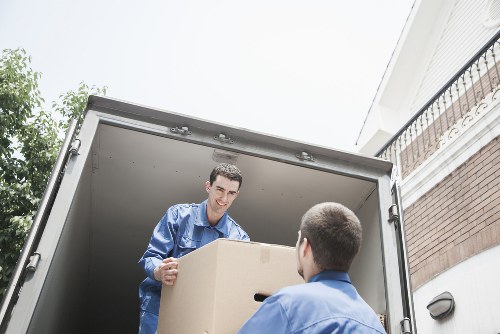
Some customers start by searching for a man with van and then realise they need the wider support of a removal company. That is why the related site pages are grouped so clearly. A small move, a multi-item collection or a modest office relocation can all sit within the same practical framework, provided the service is matched to the load. The important point is to choose a moving option that reflects the real work rather than the label alone. If the task needs more scope, the broader removal company page helps connect the individual service pages into one overall picture.
We also provide useful background pages such as house movers, house removalists and man and van removals, which can help you compare wording and identify the page that best suits your move. Those links are there to support choice, not to overcomplicate it. For many people, the main decision is simply whether the job is a compact move, a mixed-load removal or a straightforward furniture transport task.
To request a quotation, send the move details, the dates you are considering and any access notes that matter. If you want to keep things simple, that is fine; a clear summary is enough to start. For more detailed moving support, get in touch and ask for a quote based on your actual load, and we will take it from there.