Moving Large Furniture Down Arkley's Narrow Lanes: A Practical Local Guide
Moving a bulky sofa, wardrobe, bed frame, or dining table is awkward enough on a normal street. In Arkley, narrow lanes turn that awkwardness into a proper puzzle. Tight bends, parked cars, low walls, awkward kerbs, and the old "will this even fit?" feeling can make a simple move feel like a mini expedition. Truth be told, that's where careful planning matters more than brute force.
This guide to Moving Large Furniture Down Arkley's Narrow Lanes covers the real-world decisions that make the difference between a smooth move and a stressful one: route checks, measuring, lifting technique, timing, protection, and when it makes sense to bring in professionals. If you are trying to avoid scuffs, strained backs, and that heart-sinking moment halfway down the lane, you are in the right place.
Why Moving Large Furniture Down Arkley's Narrow Lanes Matters
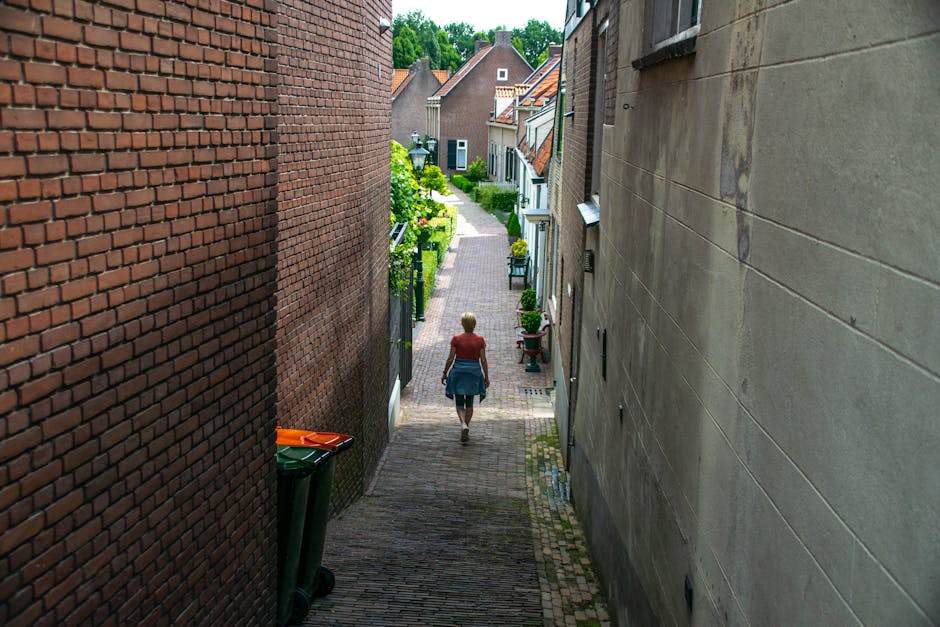
Arkley has the kind of streets that reward good preparation. Some lanes are fine for a compact van and a couple of boxes, but a full-size wardrobe or an oversized sofa changes the picture immediately. The issue is not only width. It is the combination of tight access, uneven surfaces, corners that ask for precision, and limited space to stop, load, or pivot.
That matters because large furniture is vulnerable on all sides. The item can be damaged, the property can be marked, and the people moving it can get hurt if the route has not been thought through. A sofa does not care that the lane is charming. A mattress does not magically become flexible because the road is narrow. And a wardrobe, let's face it, always seems bigger when you are trying to turn it.
In practical terms, planning for Arkley's narrow lanes helps with:
- Property protection - reducing knocks to walls, doorframes, gates, and banisters.
- Furniture protection - avoiding chipped corners, torn fabric, cracked feet, or bent fittings.
- Safety - lowering the risk of slips, back strain, and dropped loads.
- Time control - fewer delays caused by trial-and-error manoeuvres.
- Neighbour consideration - less blocking, less noise, and fewer awkward moments in the lane.
For some homes, access is the whole job. That is why local move planning is not just a nice-to-have. It is the difference between a good day and a day you will be talking about for a while. If you are working through a bigger home move, it can also help to read how to turn house moving into a stress-free event and why decluttering early makes everything easier. Small improvements add up fast.
How Moving Large Furniture Down Arkley's Narrow Lanes Works
The process is usually less about lifting and more about sequencing. A successful move starts before anyone picks up an item. You first map the access route, then decide whether the furniture needs partial dismantling, then plan the order of movement, and only then do you start carrying.
The simplest way to think about it is this: each item needs a clear path, enough turning room, and the right number of people to support it. If one of those three is missing, the job becomes harder than it needs to be. Sometimes much harder.
Here is the basic structure professionals tend to follow in tight-access moves:
- Measure the furniture including depth, height, width, and any awkward protrusions like arms, feet, or handles.
- Check the lane and property access for corners, slopes, steps, kerbs, overhanging plants, and parked vehicles.
- Decide whether to dismantle items such as bed frames, table legs, modular sofas, and wardrobe doors.
- Protect the route with blankets, wraps, floor protection, and corner guards where needed.
- Assign lifting roles so one person leads, one stabilises, and one clears obstacles if required.
- Move slowly and communicate using short calls like "stop", "tilt", "turn", and "down".
- Load the van carefully so the item arrives in the right condition and in the right order for unloading.
That communication piece sounds obvious, but it is the bit people skip. A quiet carry sounds efficient until someone catches a stair, the sofa twists, and everybody suddenly has opinions. Clear verbal cues avoid that.
If the furniture is particularly heavy or awkward, it may help to review the principles in solo lifting heavy objects safely and the practical approach in kinetic lifting and body-friendly handling. Even when more than one person is involved, good lifting mechanics still matter.
Key Benefits and Practical Advantages
People often think the main benefit is avoiding damage. That is true, but only part of it. A well-planned furniture move through a narrow lane gives you something more useful: control. You know where the bottlenecks are, you know what needs to be dismantled, and you know whether the furniture should travel as one piece or in sections.
Here are the benefits that show up most clearly in real moves:
- Less stress - you are not improvising at the last second.
- Better timing - fewer pauses in the lane and fewer repeat trips.
- Lower repair costs - less chance of touching up paint or repairing scratched furniture.
- Cleaner handling - wrapping and route protection keep dust and marks down.
- Better fit inside the property - dismantling in advance often makes the exit simpler, not harder.
- Safer loading - items can be secured properly in the vehicle.
There is also a quiet psychological benefit. Once the awkward piece is out safely, the rest of the move tends to feel lighter. People relax. The kettle comes out. Someone laughs about the wardrobe that definitely was not that big when they bought it. It becomes manageable again.
For readers moving a full household rather than one item, packing sequence matters too. That is where making packing easier and pre-move cleanup strategies can save a lot of trouble. A cleaner, lighter home is easier to navigate, especially in tighter Arkley access points.
Who This Is For and When It Makes Sense
This guide is for anyone dealing with bulky household items in a location where access is not generous. That includes homeowners, tenants, landlords, students in furnished accommodation, and anyone moving in or out of an Arkley property with a narrow approach.
It is especially relevant if you are handling:
- large sofas or corner sofas
- beds, divan bases, and mattresses
- wardrobes and tall cabinets
- dining tables and heavy chairs
- exercise equipment
- pianos or similarly delicate heavy items
- freezers or other appliance-sized loads
It also makes sense when any of these apply:
- the lane is too tight for easy turning
- the entrance has a blind corner or a low wall
- parking is restricted and the vehicle may need to stop a little way away
- you are on a deadline and cannot afford repeated attempts
- the item is expensive, fragile, or sentimental
Sometimes the right answer is not "can we do this ourselves?" but "what is the least risky way to do it?". That is a useful question. Not a glamorous one, but useful.
If you are deciding whether to use help, the wider service pages on furniture removals in Arkley, man with a van in Arkley, and man and van support can help you compare the kind of support you need. For tighter deadlines, same-day removals in Arkley may be relevant too.
Step-by-Step Guidance
Here is a straightforward way to approach the job without overcomplicating it.
1) Measure everything twice
Measure the furniture and the route. Don't just check the width of the lane. Measure doorways, hall turns, gate openings, and any pinch points around the front path. A few extra minutes here can prevent a lot of effort later.
2) Strip the furniture down where sensible
Remove legs, shelves, drawers, detachable arms, and loose fittings. Keep screws and fittings in labelled bags. If the item was bought flat-pack, use the assembly logic in reverse. If it was not, be a bit more cautious. Some items are happier coming apart than others.
3) Clear the route indoors and outside
Take away shoe racks, bins, mats, plant pots, and anything else that can snag a shoulder or wheel. In narrow lanes, even a small obstruction can force a bad angle. That is usually when dents happen.
4) Protect corners, floors, and doors
Use blankets, foam edge guards, or cardboard where appropriate. Lay floor protection on indoor surfaces, especially if the weather is damp and people are tracking in grit. You will hear the little crunch underfoot if it is not protected; that sound is a warning sign.
5) Choose the carry angle before moving
Some furniture needs to be upright. Some needs to tilt. Some must be carried on its side. Decide in advance. A fixed plan is better than arguing about it halfway down the lane while everyone is already tired.
6) Move with short, clear commands
One person should lead the pace. The others should respond to simple signals. Keep the language short. "Stop", "lift", "turn left", "down". Long explanations are not helpful when an item is hovering over a fence post.
7) Load the van to match the route, not the room
Bulky items should be loaded so the van exits and unloads in a sensible sequence. Keep fragile items away from compression points and protect polished surfaces with blankets. A good load plan is a quiet kind of insurance.
8) Recheck the property before leaving
Look for small marks, missing fittings, or loose screws. If something can be fixed before you drive away, fix it there and then. It saves a phone call later and keeps the day tidy.
If you are also managing appliances or smaller furniture on the same day, you might find bed and mattress moving advice useful, or, for larger specialist items, professional piano moving guidance.
Expert Tips for Better Results
These are the sort of practical tips that make a move feel much calmer in real life.
- Use the widest route, not the shortest route. A few extra steps can be easier than a tight squeeze.
- Work around the load's centre of gravity. The heavier side should not surprise the person at the back.
- Dismantle before you become tired. Fatigue leads to shortcuts, and shortcuts often lead to chips and grazes.
- Wrap doors and edges separately. That tiny bit of extra padding protects the part that tends to strike first.
- Check weather and surface conditions. Wet paving, muddy edges, and leaf litter change everything, especially early morning.
- Pre-stage the van as close as lawful parking allows. Shorter carries are safer carries.
One simple local observation: in narrow lanes, patience usually beats speed. A careful carry looks slower from the outside, but it almost always finishes faster because nobody has to stop, reset, apologise, or repair anything.
Another useful one: if a piece feels borderline too big, treat it as too big until proven otherwise. That mindset prevents overconfidence, which is a sneaky troublemaker. Not dramatic. Just sneaky.
If you need the moving day itself to feel calmer, these guides on stress-free moving and smarter packing offer a good wider framework. Access is only one part of the picture, but it is the part that can make the most noise if ignored.
Common Mistakes to Avoid
Most problems in narrow-lane furniture moves are predictable. That is the annoying part. The good news is that predictable problems can be prevented.
- Skipping measurements and assuming a piece will "probably fit".
- Not clearing the route before carrying the item out.
- Using too few people for a large or awkward object.
- Trying to force a turn instead of stepping back and re-approaching.
- Ignoring the weather, especially on wet or slippery ground.
- Failing to protect walls and floors near tight corners.
- Leaving dismantled parts unlabeled, which always creates a little chaos later.
- Rushing the final lift after most of the hard work is already done.
One mistake deserves special mention: assuming the van is the hard part. In Arkley, the street access may be just as challenging as the load itself. That is why pages like Arkley Lane access tips and Barnet Road van access advice can be useful if your move involves a tricky approach.
Tools, Resources and Recommendations
You do not need a van full of specialist kit to move furniture well, but a few sensible tools make a huge difference.
| Tool or resource | What it helps with | Why it matters in narrow lanes |
|---|---|---|
| Moving blankets | Surface protection | Prevents marks on tight turns and door edges |
| Furniture sliders | Short indoor repositioning | Reduces dragging on floors before the item reaches the exit |
| Ratchet straps or tie-downs | Load stability in transit | Stops movement after a careful carry through a tight approach |
| Labels and small bags | Keeping fittings together | Makes dismantling worth the effort instead of creating later delays |
| Floor protection | Indoor route safeguarding | Useful where the path is narrow and every step matters |
| Two-person or three-person team | Balanced lifting and spotting | Often safer than trying to be clever with too few hands |
For related moving support, you may also want to consider a suitable removal van in Arkley, general removals support, or storage in Arkley if the item needs to be held temporarily. Storage can be a very practical pressure release valve, especially if access timing is tight.
If you are comparing options, the broader overview on services and moving support can help you work out what level of help is sensible for your move.
Law, Compliance, Standards, or Best Practice
For most domestic furniture moves, there is no single special rulebook for Arkley lanes. But there are still good UK moving practices to follow, especially around safety, parking, and property care. If your vehicle needs to stop on a public road, you should make sure it is parked responsibly and without creating avoidable obstruction. If access is restricted, it is wise to plan the load rather than forcing a risky manoeuvre.
From a safety perspective, the most important principles are straightforward:
- do not lift beyond your ability
- use enough people for the load
- keep routes clear
- protect the property
- use sensible manual handling technique
- pause if conditions change
That last point matters more than people think. A route that looks fine in daylight can become slippery after rain, or awkward if a neighbour has parked differently by the time you return. Flexible judgement is part of good practice.
If you are using professional help, it is worth checking what is covered in advance. Reading pages such as insurance and safety, health and safety policy, and terms and conditions helps set expectations clearly. That is not just paperwork. It reduces misunderstandings.
For payment clarity, payment and security would usually be part of a careful planning conversation, though in this article we will keep the focus on access and handling rather than quoting exact costs. Pricing depends on the job size, timing, and difficulty of access.
Options, Methods, or Comparison Table
When dealing with a bulky item in a narrow lane, you generally have three broad options. Each one has pros and cons, and the best choice depends on the item, access, and timing.
| Method | Best for | Strengths | Trade-offs |
|---|---|---|---|
| DIY move with friends | Smaller bulky items, short routes | Low cost, flexible timing | Higher physical strain, more risk if experience is limited |
| Man and van support | Typical household furniture | Good balance of help and efficiency | May still need careful prep for tight lane access |
| Specialist removal service | Very heavy, awkward, or delicate items | Better handling, better planning, more protection | Usually costs more and needs more advance discussion |
There is no universal winner. A light two-seat sofa is one thing. A solid oak wardrobe with a blind turn and a parked car outside is another story entirely. If a piece is sentimental or high-value, specialist handling is often worth it. For niche heavy items, piano removals in Arkley is a strong example of why expertise matters.
Case Study or Real-World Example
Here is a realistic example based on a typical Arkley move. A couple needed to move a large three-seater sofa and a bed frame from a property down a narrow lane with limited stopping space. The entrance path had a small turn near the gate, and the furniture had to pass a brick wall before reaching the van.
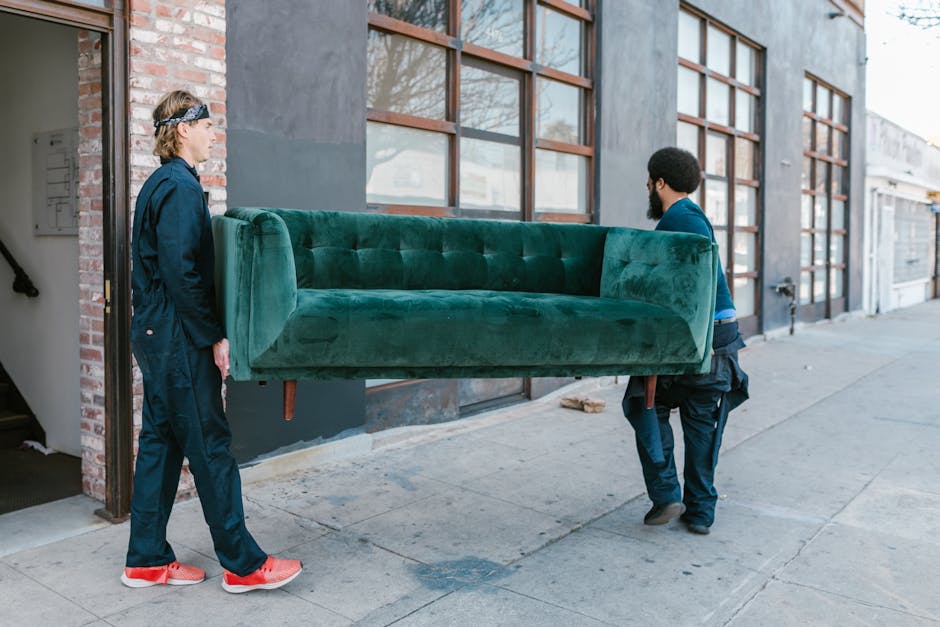
Instead of trying to carry everything in one rushed pass, the team broke the job into stages. First, the bed frame was dismantled and labelled. Second, the sofa cushions were removed and packed separately. Third, the route was cleared of bins and a loose plant stand that would have caught a corner. Finally, the carry was done with one person leading, one stabilising the rear, and a third person spotting the wall on the tight bend.
The result was not flashy. That is the point. No scuffed plaster, no shredded fabric, no "wait, where do these bolts go?" moment at the other end. It just worked. A bit of patience. A bit of planning. A lot less drama than most people expect.
That same approach is especially useful if you are moving in nearby areas where parking and timing matter too. The local note on the best times to beat parking in Arkley EN5 can help if your move depends on getting the vehicle near the door at the right moment.
Practical Checklist
Use this before moving day. It is simple, but simple is exactly what you want when access is tight.
- Measure all large furniture pieces
- Measure doorways, gates, turns, and lane pinch points
- Decide what can be dismantled
- Label screws, fittings, and detachable parts
- Clear bins, mats, pots, and loose items from the route
- Protect floors, walls, and corners
- Check weather and surface conditions
- Agree on lifting commands before starting
- Confirm who is leading the carry
- Plan where the van can safely stop
- Pack blankets or covers for the furniture
- Keep phones charged in case timing changes
- Leave a little extra time for the final awkward turn
Expert summary: in narrow Arkley lanes, the safest and fastest route is usually the one that has been thought through before the first lift. Measure properly, dismantle early, communicate clearly, and treat access like part of the move, not a side issue. That mindset saves more trouble than any amount of rushing.
Get a free quote today and see how much you can save.
Conclusion
Moving large furniture down Arkley's narrow lanes is not impossible, but it does reward calm planning. Measure the route. Reduce the weight where you can. Protect the property. Use the right number of hands. And do not pretend a difficult corner will sort itself out, because it probably will not.
The good news is that once you understand how tight-access moves work, the whole task becomes far less intimidating. You are not fighting the lane; you are working with it. That small shift in thinking changes everything. A sofa is just a sofa. A wardrobe is just a wardrobe. The challenge is the route, and routes can be planned.
If you want help with the wider move, from packing to specialist handling and storage, the related guidance across this site gives you a solid place to start. Take it one decision at a time. That is usually how the best moves happen anyway.
And honestly, when the last bulky item clears the lane without a scratch, the relief is real. Quiet, ordinary, lovely relief.
Frequently Asked Questions
How do you move large furniture down a narrow lane safely?
Start by measuring the furniture and the access route, then dismantle whatever you can, protect corners and floors, and use enough people to steady the load. The safest moves are usually the ones that are planned rather than improvised.
What furniture is hardest to move in Arkley's narrow lanes?
Large sofas, wardrobes, divan bases, and heavy tables tend to cause the most trouble because they are awkward to turn and easy to catch on tight corners. Delicate items like pianos need even more care.
Should I dismantle furniture before moving it?
Yes, if it can be dismantled without damaging the piece. Removing legs, shelves, doors, or cushion sections often makes the route much easier and reduces the risk of knocking walls or gates.
Is it better to use a man and van service for narrow lane access?
Often, yes. A man and van setup can be a sensible middle ground for bulky household items, especially when you need help carrying but do not need a full-scale removal crew. The exact choice depends on the size and weight of the furniture.
What should I do if the van cannot park right outside the property?
Plan for a longer carry and keep the route clear. If parking is restricted, the load should be managed with that in mind. Sometimes a short stop a little further away is safer than forcing an awkward manoeuvre.
How do I protect my house during a furniture move?
Use blankets, corner guards, floor protection, and clear communication. The most common marks happen at tight turns, doorframes, and stair edges, so protect those areas first.
Can one person move large furniture alone?
For some lighter bulky items, maybe, but true large furniture is usually not worth the risk alone. Even if you can physically lift it, the awkward shape and tight access may make two or three people the safer choice.
When is the best time to move in Arkley to avoid parking trouble?
It depends on the street and day, but quieter times are often easier for access and parking. If your move is time-sensitive, it helps to think about vehicle positioning early rather than leaving it until the morning of the move.
What if my sofa or wardrobe is too big for the lane?
First, check whether it can be dismantled. If not, you may need a different carry route, temporary storage, or specialist help. Forcing it through is usually where damage happens.
Do I need special equipment for narrow lane furniture moves?
Not always, but moving blankets, straps, sliders, and floor protection are very useful. For heavier or more delicate items, specialised handling can make a big difference.
How far in advance should I plan a difficult furniture move?
As early as possible. Even a few days of planning can help with measurements, dismantling, parking, and scheduling. If access is especially tight, earlier is better.
What is the biggest mistake people make with narrow access moves?
The most common mistake is underestimating the route. People often focus on the item itself, but the lane, corners, and stopping space are usually the real challenge.
Can furniture storage help if access is too difficult on the day?
Yes. Temporary storage can be a very practical option if you need to split the move, wait for better timing, or deal with access problems without rushing. It is often calmer than forcing everything in one go.